Choose Montserrat Tours From Barcelona With Confidence
Montserrat makes a strong day out from Barcelona because it changes the pace so quickly. The city gives way to steep rock faces, fresh mountain air, and a monastery set high above the landscape. The trip sounds simple on paper, yet the choices can feel confusing once you look at timings, transport, walking levels, and what is included. A good way to decide is to work through the main decisions in order, starting with the kind of day you want rather than the first option you see.
Start with the type of day you want
Before comparing anything else, decide whether your priority is a calm visit to Montserrat Monastery, a scenic rail journey, a short walk, or a fuller day with several stops. Montserrat can be a half day or most of a day, and the best fit depends on how much time you want away from Barcelona. If you are travelling with children, older relatives, or anyone who prefers fewer transfers, keep the plan simple. If you enjoy walking and open views, you may want more time on the mountain itself.
Think about the pace in practical terms. A visitor who wants the Black Madonna and the monastery interior may be happy with a short stay near the main complex. Someone drawn to Montserrat hiking trails will need a longer window and clearer information about route conditions. A person interested in the Montserrat Museum needs time indoors as well as time outside. None of these choices is better in every case. The right one is the one that matches the energy and interests of the group.
One local option is Sagrada Familia & Barcelona City Tour. That can sit among the names you notice while comparing what is available around Ciutat Vella, but it should not replace the basic question of what you want the day to feel like. Sort the purpose first, then compare the details.
Set your date and check what is open
Once you know the shape of the day, choose a date. Weekdays and weekends can feel different, and public holidays can affect both transport and opening patterns. Check the opening situation for the places you care about, especially the monastery areas, the museum, and any chapel or viewpoint you hope to see. Santa Cova Chapel, for example, may involve extra planning because access depends on local conditions and operating times.
Weather matters more than many visitors expect. Cloud can sit low around the Montserrat mountains, and wind can affect some paths and cable car operations. A clear forecast is helpful, but it is not a promise of perfect visibility. If the day looks unsettled, favour a plan with indoor elements and easy changes. A plan built entirely around exposed viewpoints can feel disappointing if the cloud does not lift.
Also look at the season and daylight. Shorter winter days make early starts more useful, while long summer days offer more flexibility but can bring stronger sun. If you plan to walk, check whether water, shade, and suitable footwear are part of your preparation. The mountain is not a place to treat as an extension of the city pavement.
Compare the route and transport
The next decision is how you reach the mountain. The Barcelona-Montserrat train is a classic choice and gives the trip a clear rhythm from the city. It also involves station changes and a connection at the mountain side, so read the route carefully. Other road-based options may offer a more direct journey from central Barcelona, though traffic and pick-up points can shape the experience.
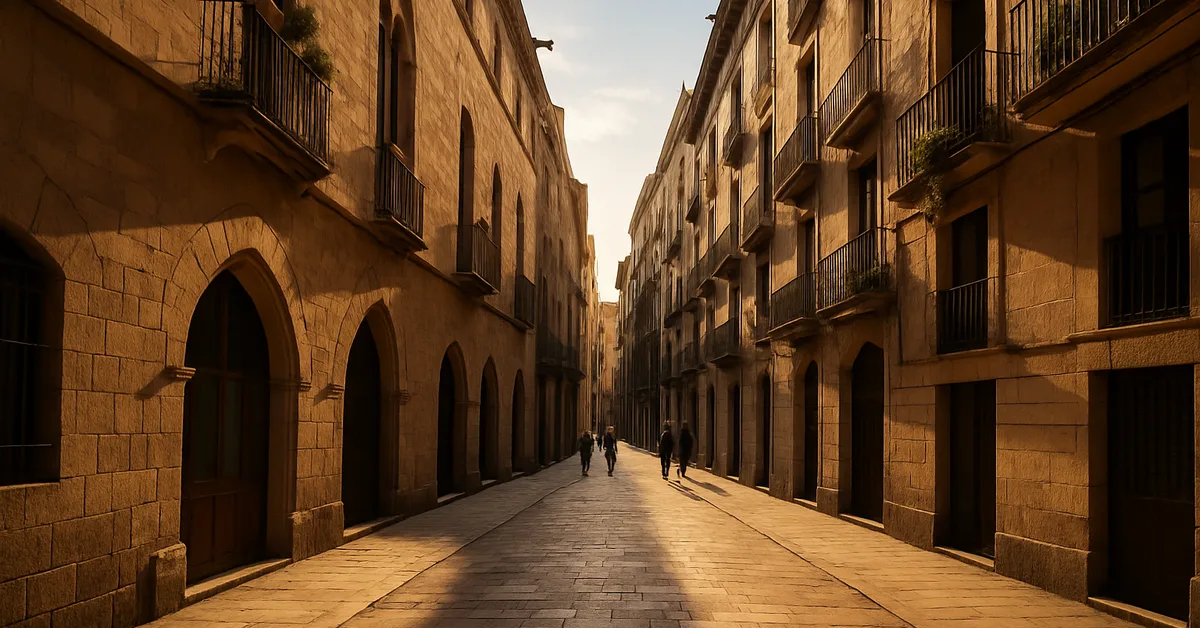
Look at where the journey begins and ends. If you are staying in Ciutat Vella, a central starting point may save time and reduce stress. If your accommodation is near a main rail station, a train-based plan can be convenient. Check the meeting point or boarding point in plain language, and work out how you will get there before the day begins. A beautiful mountain trip is hard to enjoy if the first hour is spent rushing across town.
Pay attention to the return as well as the outward journey. Some plans allow free time after the main visit, while others follow a fixed schedule. Ask yourself whether you would mind waiting if you want a longer lunch, a slower look around the monastery, or extra time at a viewpoint. The best itinerary is not always the one with the most stops. It is the one that leaves enough room for the places that matter to you.
Check what the visit actually includes
Now move from transport to the content of the day. Read the itinerary line by line and separate must-see parts from optional extras. Montserrat Monastery is the central draw for many visitors, but the wider site includes walks, religious sites, cultural spaces, and viewpoints. A short visit may cover the basilica and a nearby viewpoint. A longer one might add a funicular railway ride, a chapel, or museum time.
Watch for vague wording. Phrases such as scenic stop, mountain visit, or free time can mean very different things. Look for named places, clear time blocks, and an indication of whether entry costs are included. Where a price, booking rule, opening time, or access detail is not clear, confirm it with whichever business you choose before paying. This is especially useful for anything involving a cable car, funicular railway, museum entry, or guided interior visit.
Local businesses such as Sagrada Familia & Barcelona City Tour may appear while you are comparing options. Keep the comparison practical: route, timing, included stops, free time, and meeting point. Avoid choosing only because a name sounds familiar or because the wording sounds grand. A clear itinerary is easier to judge than an attractive description.
Match the walking level to the group
Montserrat is a mountain, so even short routes can include slopes, steps, and uneven ground. Decide honestly how much walking the group can manage. If anyone has limited mobility, focus on the main monastery area and check step-free access before committing. If you are fit and keen to walk, look for an itinerary that gives you enough time rather than a quick glimpse between transfers.
Do not treat all walking as the same. A gentle stroll near the monastery is different from a longer trail with changing height. Montserrat hiking trails vary in difficulty, and conditions can change with weather. Bring water, sun protection, and shoes with grip. In hotter months, start early and take breaks. In cooler or wetter months, be ready for slippery surfaces and shorter visibility.
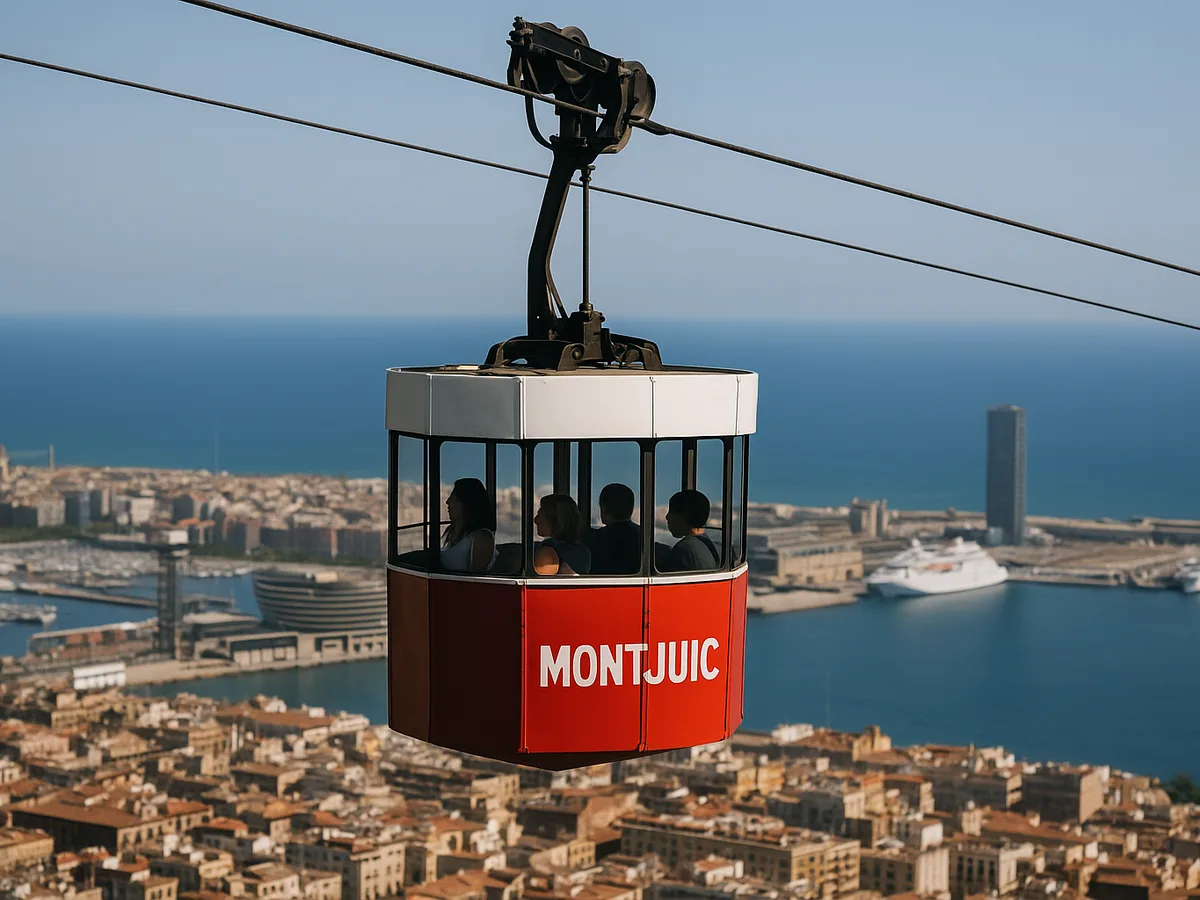
If a route involves a funicular railway, check whether it is running on your date and whether queues could affect the schedule. A small delay can matter if the return journey is tightly timed. This is one of the reasons to leave some slack in the day rather than packing in every possible stop.
Read the timing with care
A well-written plan makes timing easy to follow. Check the total duration, the start time, and the amount of free time at Montserrat. Then compare that with what you want to see. If the visit is short, do not expect to cover the monastery, museum, chapel, and several viewpoints without rushing. If the day is longer, check whether the extra time is structured or simply left open.
Also consider the start point in relation to your accommodation and other plans. An early departure can be worthwhile, especially on busy days, but it may not suit everyone. A later trip can feel more relaxed, though it leaves less room if something runs late. Think about meals too. Some plans include time for lunch, while others expect you to fit it into free time.
When you compare timings, write down the sequence in your own words. City departure, mountain arrival, main visit, optional stops, return journey. If that sequence makes sense on paper, the day is more likely to feel smooth in practice.
Look closely at guides, language, and group size
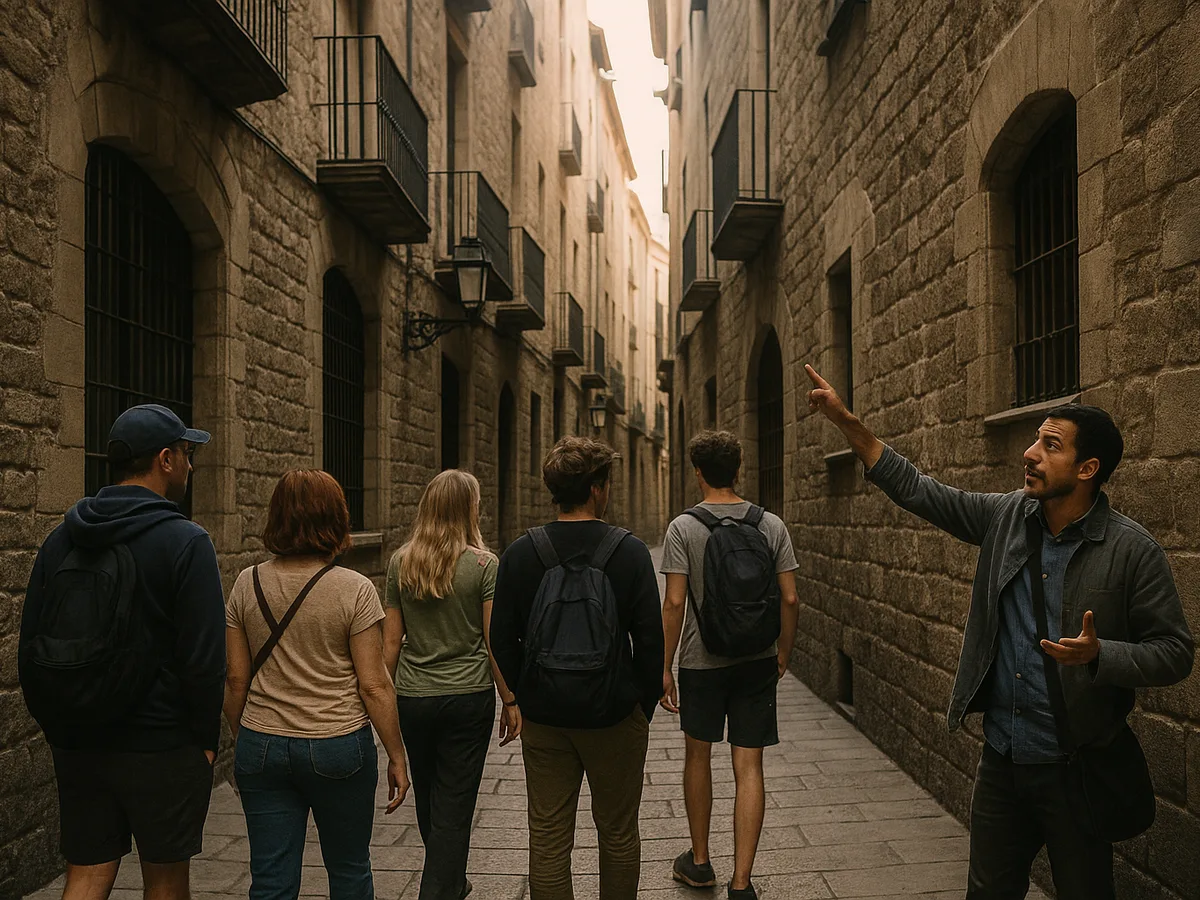
If the tour includes a guide, check the language of the commentary and whether it applies throughout the day or only during part of it. A guided visit to Montserrat Monastery can add context, especially around the Black Madonna and the history of the site. Free time remains free time, so do not assume that explanation continues on a walk or at a viewpoint unless it says so.
Group size can change the feel of the day. Smaller groups often make movement and questions easier, while larger groups may offer a livelier atmosphere. Neither is automatically better. Consider your own tolerance for waiting, crowded spaces, and fixed schedules. If you want a quieter experience, look for a plan with fewer stops and more independent time.
Check cancellation terms, payment conditions, and what happens if weather or transport affects an element of the itinerary. Clear terms are a sign of a better-understood plan. If anything is unclear, ask before booking rather than relying on assumptions.
Make the final comparison on fit, not flash
By this stage, you should have a short list. Put each option side by side using the same criteria: departure point, total duration, transport, included stops, free time, walking level, and clarity of terms. This keeps the decision grounded. It also prevents a single attractive detail from hiding a poor fit elsewhere.
For a first visit, a balanced plan usually works best. Allow enough time for the monastery and the main viewpoints, leave room for a short walk or a museum visit, and avoid a schedule that depends on everything going perfectly. For a return visit, you can focus on a particular interest, such as Santa Cova Chapel, the Montserrat Museum, or a more deliberate hike.
Good preparation is simple but useful. Confirm the meeting point the day before, bring water and layered clothing, and keep your phone charged for maps or messages. Arrive with time to spare. If you need to confirm any detail, contact the business you have booked rather than relying on general advice.
Choosing well is less about finding the grandest description and more about matching the day to your circumstances. When the route, pace, opening times, and included stops line up, Montserrat feels much easier to enjoy. The result is a trip that leaves the city behind without turning the day into a race.
For details, Sagrada Familia & Barcelona City Tour is at Plaça de la Rosa dels Vents, 1, Ciutat Vella, 08039 Barcelona, Spain, and can be contacted on +34 632 93 79 41.